Besonders im Büroalltag, wo langes Sitzen oft die Regel ist, leiden unsere Faszien still vor sich hin – bis sie sich mit Verspannungen und Rückenschmerzen bemerkbar machen.
Was Faszien eigentlich sind, was passiert, wenn sie Schmerzen verursachen und was man dagegen tun kann, erfährst du in diesem Artikel.
Was sind Faszien und welche Aufgabe haben sie?
Faszien sind netzartige Bindegewebsstrukturen, die sich durch den gesamten menschlichen Körper ziehen. Sie umhüllen unter anderem unsere Gelenke, Organe und Muskeln - daher spricht man in diesem Fall auch oft von der sogenannten Muskelhaut. Mit ihrem komplexen Geflecht sorgen die Faszien dafür, dass alles geschützt an Ort und Stelle bleibt.
Gut vorstellen kann man sich das Fasziengewebe beim Pellen einer Orange:
Das Fruchtfleisch der Orange wird von einer weißen, festen Haut umhüllt und zusammengehalten – ähnlich wie unsere Muskeln von den Faszien.
Unsere Faszien sorgen nicht nur für Stabilität, sondern ermöglichen vor allem Beweglichkeit, indem sie unsere Muskeln und Gewebeschichten reibungslos aneinander vorbeigleiten lassen. Darüber hinaus spielen Faszien eine wichtige Rolle in der Kraftübertragung und der Körperwahrnehmung (Propriozeption) und haben einen großen Einfluss auf unsere Haltung sowie einen funktionierenden Bewegungsapparat.
Woraus bestehen Faszien?
Faszien bestehen aus verschiedenen Bestandteilen, die zusammen ein flexibles und starkes Bindegewebe bilden. Diese Struktur ermöglicht es ihnen, unterschiedliche Funktionen wie Stabilität, Flexibilität und Kraftübertragung zu erfüllen.
Kollagen-, Elastin- und Nervenfasern sowie Rezeptoren bilden die Hauptbestandteile von Faszien ab:
- Kollagen stellt die Hauptkomponente von Faszien dar, die ihnen Zugfestigkeit und Stabilität verleiht.
- Elastin sorgt für die Elastizität von Faszien und ermöglicht entsprechende Dehnung.
- Nervenfasern und Rezeptoren: Faszien sind reich an Nervenenden und Rezeptoren wie Mechanorezeptoren und Schmerzrezeptoren. Sie sind an der Propriozeption und der Schmerzleitung beteiligt.
Übrigens:
Wusstest du, dass das Fasziennetzwerk nicht nur unseren gesamten Körper zusammenhält, sondern dass sich darin auch 80-mal so viele Schmerzrezeptoren befinden wie in unseren Muskeln? Die Faszien stellen damit sozusagen das Nervenkostüm unserer Muskeln dar!
Faszien Schmerzen als Folge von Bewegungsmangel
Faszien sind äußerst sensibel und können auf Stress, Überbelastung als auch auf Bewegungsmangel sehr empfindlich reagieren.
Du kannst sie dir vorstellen, wie ein Netz aus elastischen Bändern, das deinen Körper umgibt: Wenn du dich genug bewegst, bleiben sie geschmeidig und flexibel. Bewegst du dich hingegen zu wenig oder nur einseitig, wird dieses Netz steif und die Gewebeschichten kleben buchstäblich aneinander fest, ähnlich wie bei einem Klettverschluss.
 Mangelnde Bewegung kann schnell zu Verklebungen der Faszien und damit zu Rückenschmerzen führen.
Besonders bei Bewegungsmangel kann es leichter zu Verdickungen und Verklebungen der Faszien kommen, die im schlimmsten Fall sogar Entzündungen auslösen. Aber auch wenn du beispielsweise stundenlang dieselbe Haltung einnimmst (Stichwort Schreibtischarbeit!), kann es hart werden – also deine Faszien, im wahrsten Sinne des Wortes.
Verklebte Faszien sind beispielsweise durch zu langes Sitzen nicht nur ein häufiger Auslöser von Rückenschmerzen und Nackenverspannungen, sondern können auch zu erheblichen Bewegungseinschränkungen führen.
Harter Fall: Wenn die Lendenfaszie streikt
Der häufigste Übeltäter bei faszienbedingten Rückenschmerzen ist meist unsere Lendenfaszie. Sie liegt über dem Becken und verbindet unsere Rückenmuskulatur mit der Oberschenkel- und Gesäßmuskulatur und stellt demnach das Bindeglied für viele wichtige Bewegungen dar: Wenn sie verhärtet, kann es schnell zu unangenehmen Schmerzen im unteren Rücken kommen.
Kurz gesagt: Bewegungsmangel ist der Erzfeind deiner Faszien und Rückenschmerzen sowie Verspannungen sind oft ihr Hilferuf. Das nächste Mal, wenn du mal wieder zu lange steif am Schreibtisch sitzt und dein Rücken zwickt, denk dran: Deine Faszien schreien nach Aufmerksamkeit – und Bewegung ist die Antwort!
 Ergonomische Bürolösungen von Aeris fördern ein aktives Arbeiten im Sitzen und Stehen und bringen so mehr Bewegung in deinen Arbeitsalltag.
Verklebte Faszien lösen mit gezieltem Faszien Training
Durch gezieltes Faszientraining können verklebte Faszien gelöst und die Schmerzen behandelt werden.
Faszientraining ist mittlerweile längst kein Geheimtipp mehr – es hat sich in den letzten Jahren als effektive Methode etabliert, um das Gewebe elastisch zu halten, Verklebungen zu lösen und die Durchblutung zu fördern. Auch bei Verspannungen oder bei Muskelkater kann Faszientraining schmerzlindernd wirken.
Es gibt eine ganze Reihe von Techniken, bei denen die Faszien durch gezielten Druck trainiert werden. Faszientraining wird z.B. gerne zur Regeneration in der Physiotherapie eingesetzt, kann aber mit den richtigen Hilfsmitteln auch selbstständig zu Hause durchgeführt werden.
1. Faszienrollen
Das wohl bekannteste Hilfsmittel zum Faszientraining ist die Faszienrolle, die du gezielt zur Bearbeitung verspannter Körperstellen einsetzen kannst. Durch den Druck der Rolle werden sogenannte „Triggerpunkte“ aktiviert, die den Schmerz lindern und die Durchblutung verbessern können.
Du kannst sie einfach über die betroffenen Stellen rollen und den Druck dabei individuell dosieren. Der beste Zeitpunkt für die Anwendung ist nach dem Sport oder an ruhigen Tagen als aktive Regeneration.
 Bei Rückenschmerzen im Bereich des unteren Rückens kann ein Faszientraining mit der Faszienrolle hilfreich sein.
2. Faszienkugeln
Diese kleinen Alleskönner eignen sich ähnlich wie Faszienrollen perfekt für punktuelle Massagen. Je nach Größe und Härtegrad kannst du sie gezielt einsetzen, um tiefere Gewebeschichten zu erreichen und Triggerpunkte zu lösen.
3. Yogablöcke
Yogablöcke sind besonders bei Dehnübungen sehr behilflich. Sie bieten dir die ausreichende Unterstützung, um deine Faszien sanft und sicher zu dehnen, ohne den Körper dabei zu überlasten.
4. Therabänder / Widerstandsbänder
Auch elastische Sportbänder eignen sich hervorragend für dehnende und kräftigende Übungen, die die Faszien geschmeidig halten. Durch die dynamischen Bewegungen fördern sie die Flexibilität und unterstützen die Beweglichkeit der Gelenke.
 Auch ohne Hilfsmittel ist regelmäßiges Ganzkörperdehnen ein effektives und einfaches Faszientraining.
5. Balance Boards
Die instabile Oberfläche eines Balance Boards zwingt deinen Körper dazu, ständig kleine Ausgleichsbewegungen zu machen, wodurch die Faszien auf natürliche Weise gedehnt und gestärkt werden. Außerdem verbessert das Balancieren die Propriozeption (Körperwahrnehmung), die ebenfalls stark von den Faszien beeinflusst wird.
Mehr Bewegung im starren Büroalltag: Faszientraining mit Aeris
Büroarbeit bedeutet oft eines: langes, starres Sitzen am Schreibtisch - und genau das kann unseren Faszien ganz schön zusetzen. Doch anstatt die Nachteile des vielen Sitzens einfach hinzunehmen, kannst du aktiv etwas dagegen tun:
Mit Aeris holst du dir dein Faszientraining direkt an deinen Arbeitsplatz. Egal, ob im Büro, im Homeoffice oder an jedem anderen Ort, an dem langes Sitzen (oder Stehen) gefragt ist.
Dynamisch Sitzen mit Aeris Bürostühlen
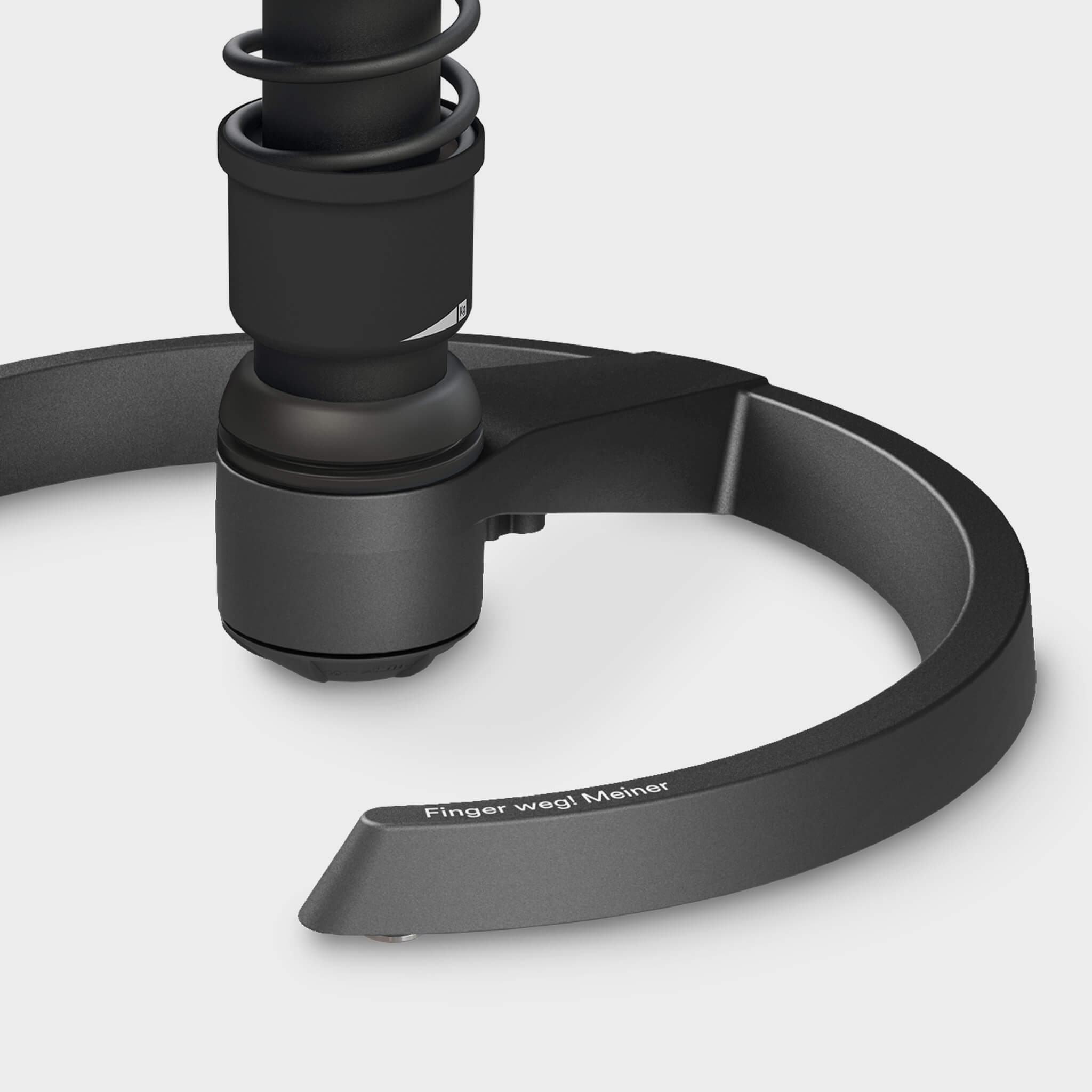
Der Klassiker unter den Bürostühlen: Der Aeris Swopper ist dein Personal Trainer am Arbeitsplatz, der dich nicht regungslos am Schreibtisch sitzen lässt. Das macht er sogar so subtil, dass du kaum merkst, dass er dich die ganze Zeit in Bewegung hält!
Seine flexible 3D-Technologie sorgt für dynamische Bewegungen in alle Richtungen: nach oben, nach unten und zur Seite - so bleibt dein Körper beim Sitzen ständig in Bewegung! Die Durchblutung der Faszien wird gefördert und ein Verkleben oder Verhärten des Gewebes durch starres Sitzen verhindert. Gleichzeitig werden die Faszien entlang der Wirbelsäule aktiviert, was Rückenverspannungen vorbeugt.
 Statt verklebter Faszien und Verspannungen sorgt die einzigartige 3D-Technologie des Aeris Swoppers für maximale Bewegungsfreiheit und gute Laune.
 Der Aeris Swopper Bürohocker eignet sich auch als idealer Begleiter für dein Home Workout!
Mit Aeris haben verklebte Faszien keine Chance!
Unser großes Angebot an ergonomischen Bürolösungen ist speziell darauf ausgerichtet, deinen Körper stets aktiv und in Bewegung zu halten und damit deine Gesundheit zu fördern. Egal, ob du nach maximalem Komfort suchst oder lieber minimalistisch ohne Rückenlehne sitzt – bei Aeris gibt es für jedes Bedürfnis den passenden Bürostuhl.
Aktiv Stehen mit der Aeris Muvmat
Ähnlich wie bei Balance Boards, können die Faszien auch mit Aktivstehmatten trainiert werden. Die unebene Struktur der Aeris Muvmat stimuliert die Fußmuskulatur und fördert die natürliche Aktivität der Faszien. So wird der Körper ständig zu leichten Bewegungen animiert, die deine Faszien geschmeidig halten.
Die Aeris Muvmat ist das perfekte Add-on für deinen Steharbeitsplatz, beispielsweise an einem höhenverstellbaren Schreibtisch wie dem Aeris Active Desk, um einseitige Bewegungen und eine Versteifung der Faszien zu vermeiden.
 Die topografische 3D-Struktur in der Aeris Muvmat aktiviert die Fußreflexzonen, entspannt die Muskeln und hält den Körper in Bewegung.
Regelmäßige Bewegung ist der Schlüssel zu gesunden Faszien und einem schmerzfreien, beweglichen Körper. Schon kleine Anpassungen im Alltag, wie dynamisches Sitzen oder aktives Stehen, können einen großen Unterschied für deine Faszien machen. Die richtigen Hilfsmittel und ergonomischen Büromöbel von Aeris helfen dir dabei, ganz einfach mehr Bewegung in deinen (Arbeits-)Alltag zu integrieren - denn dein Körper verdient es, sich wohl zu fühlen!